Introduction
Ever received a text with “WYF” and found yourself staring at your screen, wondering what the sender really meant? You’re not alone. In today’s fast-paced digital world, internet slang evolves faster than most of us can keep up. The abbreviation “wyf” has become increasingly popular across texting platforms, social media DMs, and dating apps, but its meaning isn’t always crystal clear.
Understanding what does WYF mean is essential for anyone navigating modern digital communication. This comprehensive guide will break down everything you need to know about this versatile acronym, from its primary definitions to context-specific usage across different platforms.
Primary Definition: “Where You From?”
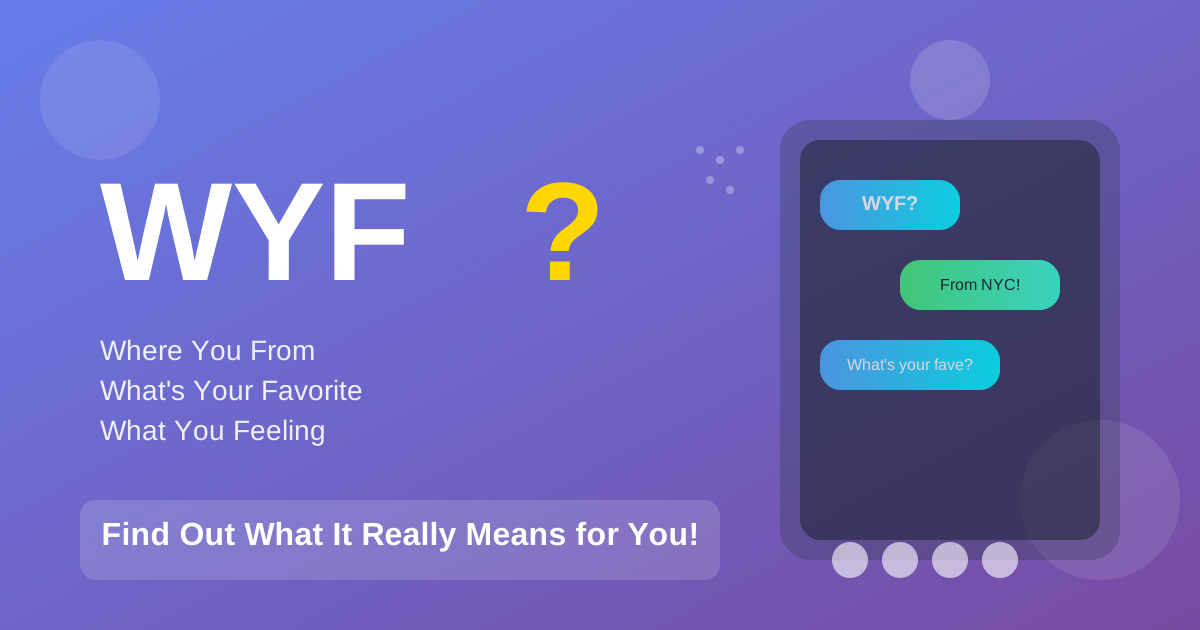
The most widely recognized wyf meaning is “Where You From?” This interpretation dominates casual conversation and casual texting scenarios, especially when people are getting to know each other. When someone asks “WYF,” they’re typically curious about your geographical origins, hometown, or current location.
This usage is particularly common in:
- Initial conversations on dating apps
- First-time meetups in group chats
- Networking situations on professional platforms
- Community forums where location matters
The “where you from” interpretation helps people establish common ground, find shared experiences, or simply satisfy their curiosity about your background.
Secondary Meaning: “What’s Your Favorite?”
The secondary wyf meaning revolves around preferences: “What’s Your Favorite?” This interpretation appears when someone wants to know your preferred choice in various categories like music, movies, food, or activities.
Context clues usually make this meaning obvious. For example:
- “WYF song right now?” clearly means “What’s your favorite song?”
- “WYF pizza topping?” asks about your preferred topping
- “WYF movie genre?” inquires about your favorite type of films
This variation of wyf slang adds a personal touch to conversations and helps people discover shared interests.
The Etymology and Linguistic Roots of WYF
Like most slang terms, “wyf” emerged from the need for faster, more efficient digital communication. The acronym follows the classic internet abbreviation pattern where initial letters represent full words or phrases.
The linguistic evolution of WYF can be traced back to early text messaging culture when character limits and T9 keyboards made brevity essential. As texting evolved beyond SMS constraints, these abbreviations remained popular because they conveyed familiarity and casual tone.
Interestingly, WYF shares linguistic DNA with similar expressions like WYA (Where You At) and WYD (What You Doing), forming a family of “WY-” acronyms that dominate casual texting vocabulary.
The Digital Evolution: From SMS to Social Media
The journey of “wyf” reflects broader trends in digital communication. Initially confined to text messages between close friends, the abbreviation has expanded across virtually every social media platform and messaging app.
Today, you’ll encounter “wyf” everywhere from Instagram comments to professional networking apps, though its appropriateness varies by context.
Context is King: Decoding WYF in Different Situations
Understanding how to respond to WYF depends entirely on reading the situation correctly. The same three letters can mean completely different things based on conversational context.
Conversation Starter Context: When “WYF” appears early in a conversation, especially on dating apps or new connections, it almost always means “where you from.” The sender wants to establish basic biographical information.
Preference Discussion Context: If you’ve been discussing tastes, recommendations, or favorites, “WYF” likely asks “what’s your favorite.” The preceding messages will usually contain clues about specific categories.
Emotional Check-In Context: Less commonly, “WYF” might stand for “What You Feeling,” functioning as an emotional wellness check. This interpretation appears primarily among close friends who regularly discuss feelings.
Discovery Context: In some scenarios, particularly after someone shares news or information, “WYF” could mean “What You Found,” asking for details or sources.
Common Mistakes People Make When Using WYF
Even experienced digital communicators sometimes stumble with “wyf.” Here are the most frequent errors:
Assuming One Universal Meaning: The biggest mistake is thinking WYF always means the same thing. Context determines meaning, and assuming otherwise leads to confusing exchanges.
Using It Too Early: Dropping “WYF” in a professional email or formal introduction comes across as overly casual. Know your audience before deploying internet slang.
Ignoring Tone Indicators: Without clarifying context, your WYF message might be misinterpreted. When ambiguity exists, add context: “WYF (hometown)?” or “WYF movie?”
Platform Inappropriateness: Using wyf slang on LinkedIn might raise eyebrows, while it’s perfectly natural on Snapchat or Instagram.
WYF Across Different Platforms: A Deep Dive
Different platforms have distinct communication cultures that affect how “wyf” is perceived and used.
Instagram and Snapchat: These visual platforms see heavy WYF usage in DMs and story replies. The casual, youth-oriented user base embraces this shorthand naturally. Here, “where you from” dominates as people connect over shared locations.
Dating Apps (Tinder, Bumble, Hinge): On dating apps, WYF frequently appears as an icebreaker. The “where you from” interpretation helps establish geographical compatibility and conversation starters about hometowns.
Twitter/X: The character-limited nature of tweets makes WYF useful, though its usage tends toward asking “what’s your favorite” in polls and engagement-driven content.
TikTok: Comment sections overflow with WYF queries, usually asking “what’s your favorite” regarding content preferences or recommendations.
Discord and Gaming Communities: Gaming platforms use WYF primarily for “where you from” to coordinate time zones and regional servers.
The Psychology Behind Asking “WYF”
Why do people use “wyf” instead of typing out full questions? The psychology reveals interesting insights about digital communication preferences.
Efficiency and Speed: Abbreviations signal that you’re fluent in digital communication norms. Using wyf slang demonstrates you’re comfortable with informal online interaction.
Social Bonding: Shared slang creates in-group feelings. When someone uses “WYF” and you understand it immediately, you’ve established common ground.
Lowered Formality Barriers: Casual conversation flows more easily with abbreviated language. Full sentences can feel stiff in certain contexts where “WYF” feels natural and friendly.
Attention Economy: In an era of endless notifications and messages, shorter communications respect the recipient’s time and attention.
Tone Confusion and Misinterpretation Risks
Text-based communication always carries misinterpretation risks, and “wyf” amplifies these challenges because of its multiple meanings.
The Location vs. Preference Mix-Up: Imagine responding with your hometown when someone asked about your favorite restaurant. This common confusion happens when context isn’t clear.
Perceived Interrogation: “WYF” can sometimes feel too direct or invasive, especially if someone doesn’t want to share their location. The abbreviated format might come across as demanding rather than curious.
Cultural Misunderstandings: Not everyone’s familiar with these slang terms. International users or older generations might completely misunderstand your intent.
Professional Boundary Crossing: Using WYF in inappropriate contexts can damage professional relationships or create awkward situations.

Related Internet Slang You Should Master
To fully navigate digital conversations, understanding WYF’s companion acronyms helps tremendously.
WYD (What You Doing): Probably the most popular cousin of WYF, this asks about current activities. “WYD tonight?” is a common conversation starter or hangout invitation.
WYA (Where You At): Similar to the “where you from” meaning of WYF, but asks about current location rather than origins. It’s more immediate and often implies plans.
WBU (What About You): A reciprocal acronym used to return questions. After answering WYF, someone might add “WBU?” to learn about you.
Understanding these related terms creates a complete picture of modern casual texting vocabulary.
Regional and Cultural Variations of WYF
While “wyf” enjoys widespread usage across English-speaking digital communities, regional variations and cultural interpretations exist.
United States: The “where you from” interpretation dominates American usage, particularly in urban areas where people frequently relocate and origins matter for cultural connection.
United Kingdom: British users employ WYF less frequently, sometimes preferring fuller phrases or alternative slang. When used, context tends toward “what’s your favorite” in entertainment discussions.
Australia: Australians embrace abbreviated communication enthusiastically, using WYF naturally across both primary meanings depending on conversation flow.
Non-English Speaking Regions: In countries where English serves as a second language, WYF usage appears primarily among younger, internationally connected users familiar with American internet culture.
WYF in Dating and Flirting: The Complete Guide
Dating apps have become WYF’s natural habitat. Understanding its romantic implications helps navigate modern courtship successfully.
As an Icebreaker: “WYF?” serves as a low-pressure conversation opener on dating apps. It’s more engaging than “hey” but less intimidating than lengthy introductions. The “where you from” interpretation helps establish whether you’re geographically compatible.
Building Connection: Asking “WYF” about preferences (“What’s your favorite restaurant/movie/activity?”) demonstrates interest in getting to know someone beyond surface-level information.
Reading Interest Levels: How someone responds to WYF can signal their engagement level. Detailed, enthusiastic answers suggest interest, while brief responses might indicate limited enthusiasm.
Timing Considerations: Leading with WYF immediately after matching can feel impersonal. Better to exchange a few messages first, then use WYF to deepen the conversation.
Red Flags: If someone becomes defensive or evasive about WYF questions, particularly regarding location, proceed cautiously. Privacy concerns are valid, but extreme secrecy might signal dishonesty.
Parental Guide: Is WYF Safe for Kids?
Parents monitoring their children’s digital communications naturally wonder about acronyms like “wyf.”
Safety Assessment: WYF itself is generally harmless. Unlike some internet slang with hidden inappropriate meanings, WYF straightforwardly asks about origins or preferences.
Privacy Concerns: The “where you from” interpretation carries mild privacy implications. Teach children that sharing hometown information with strangers online requires caution, even when asked through innocent-seeming acronyms.
Teaching Moments: Use WYF as an opportunity to discuss digital literacy. Explain that abbreviations carry different meanings depending on context, helping kids develop critical thinking about online communication.
Age Appropriateness: WYF suits teenagers and older children who text and use social media. Younger children probably won’t encounter it frequently, but explaining it proactively prevents confusion.
Monitoring Strategy: Rather than banning slang terms outright, maintain open dialogue about online conversations. Understanding these acronyms yourself helps you better monitor your child’s digital interactions.
Professional Alternatives to WYF
While “wyf” works perfectly in casual conversation, professional environments require more formal communication.
Instead of “WYF” (Where You From):
- “What’s your hometown?”
- “Where did you grow up?”
- “What region are you based in?”
- “Where are you located?”
Instead of “WYF” (What’s Your Favorite):
- “What do you prefer?”
- “Do you have a preference for…”
- “What’s your go-to option?”
- “Which do you recommend?”
Context-Appropriate Usage: Even in somewhat casual professional settings like startup environments or creative industries, spelling out questions demonstrates respect and professionalism while maintaining approachability.
The Future of Digital Slang: What’s Next?
Digital language evolves constantly, and “wyf” represents just one snapshot in ongoing linguistic development.
Trend Predictions: Acronym-based slang will likely persist, but meanings may shift as new generations adopt and adapt existing terms. Voice messaging and audio features might reduce text-based abbreviations, or might spawn new spoken equivalents.
Platform Influence: As new social platforms emerge with different character limits and communication styles, slang adapts accordingly. WYF might become obsolete or evolve new meanings we can’t currently predict.
Generational Shifts: Today’s teenagers will eventually age into different communication patterns, potentially abandoning current slang or carrying it into new contexts. What feels cutting-edge now might seem dated in five years.
AI and Automation Impact: As AI becomes more prevalent in digital communication, the need for human-created shorthand might decrease, or humans might develop new slang specifically to signal authentic human interaction.
Quick Reference Guide: WYF Usage Tips
When to Use WYF: ✓ Casual texting with friends or peers ✓ Social media DMs and comments ✓ Dating apps after initial connection ✓ Informal group chats ✓ Gaming communities
When to Avoid WYF: ✗ Professional emails or workplace communication ✗ First contact with someone significantly older ✗ Formal social media interactions ✗ Academic or educational contexts ✗ Cross-cultural communication where slang might confuse
Conclusion
Understanding what does WYF mean empowers you to navigate digital conversations with confidence. Whether it’s asking “where you from” to establish connections, inquiring “what’s your favorite” to discover shared interests, or checking “what you feeling” to support friends, this versatile acronym serves multiple communication purposes.
The key to mastering wyf meaning lies in context awareness. Pay attention to conversational flow, platform norms, and relationship dynamics before responding. While WYF works beautifully in casual texting and social media DMs, remember that professional settings demand more formal alternatives.
As digital communication continues evolving, slang terms like “wyf” will adapt alongside broader linguistic trends. By understanding these expressions and their proper contexts, you’ll communicate more effectively across all your digital interactions.
FAQ Section
1. What is the most common meaning of WYF? The most common wyf meaning is “Where You From,” asking about your hometown or geographical origins. This interpretation dominates casual conversation on dating apps and social media platforms.
2. How do I know which meaning someone intends? Context determines wyf slang meaning. Look at previous messages—if discussing locations or backgrounds, it means “where you from.” If talking about preferences or favorites, it means “what’s your favorite.”
3. Can WYF be used professionally? No, “wyf” is too informal for professional communication. Use complete questions like “Where are you based?” or “What’s your preference?” instead in workplace contexts.
4. What’s the difference between WYF, WYD, and WYA? WYF asks “where you from” or “what’s your favorite,” WYD means “what you doing” (current activity), and WYA means “where you at” (current location). All are slang terms for casual texting.
5. Is WYF appropriate for all ages? WYF is generally safe but most appropriate for teenagers and adults familiar with internet slang. Younger children may not understand it, and older adults might find it confusing.
6. Where did WYF originate? WYF emerged from early SMS texting culture when character limits encouraged abbreviations. It spread through social media and messaging apps, becoming standard casual conversation shorthand.
7. How should I respond if I don’t want to share my location? Simply say “I prefer to keep that private for now” or redirect: “I’m from a small town you probably haven’t heard of—what about you?” Boundary-setting is perfectly acceptable.
8. Does WYF mean the same thing on every platform? Generally yes, but platform culture influences usage. Dating apps emphasize “where you from,” while TikTok and Twitter often use “what’s your favorite” when discussing content preferences.
9. Can WYF be considered flirting? WYF itself isn’t inherently flirtatious, but context matters. On dating apps, asking “WYF” shows interest in getting to know someone better, which can be part of flirting.
10. What are the best alternatives to WYF? For casual contexts, try “Where are you from?” or “What’s your fave?” For professional settings, use “What region are you based in?” or “What do you prefer?”